How to Drive Faster Feedback Directly from Traditional Small and Medium Factories in China (A Guide for Foreign Buyers)
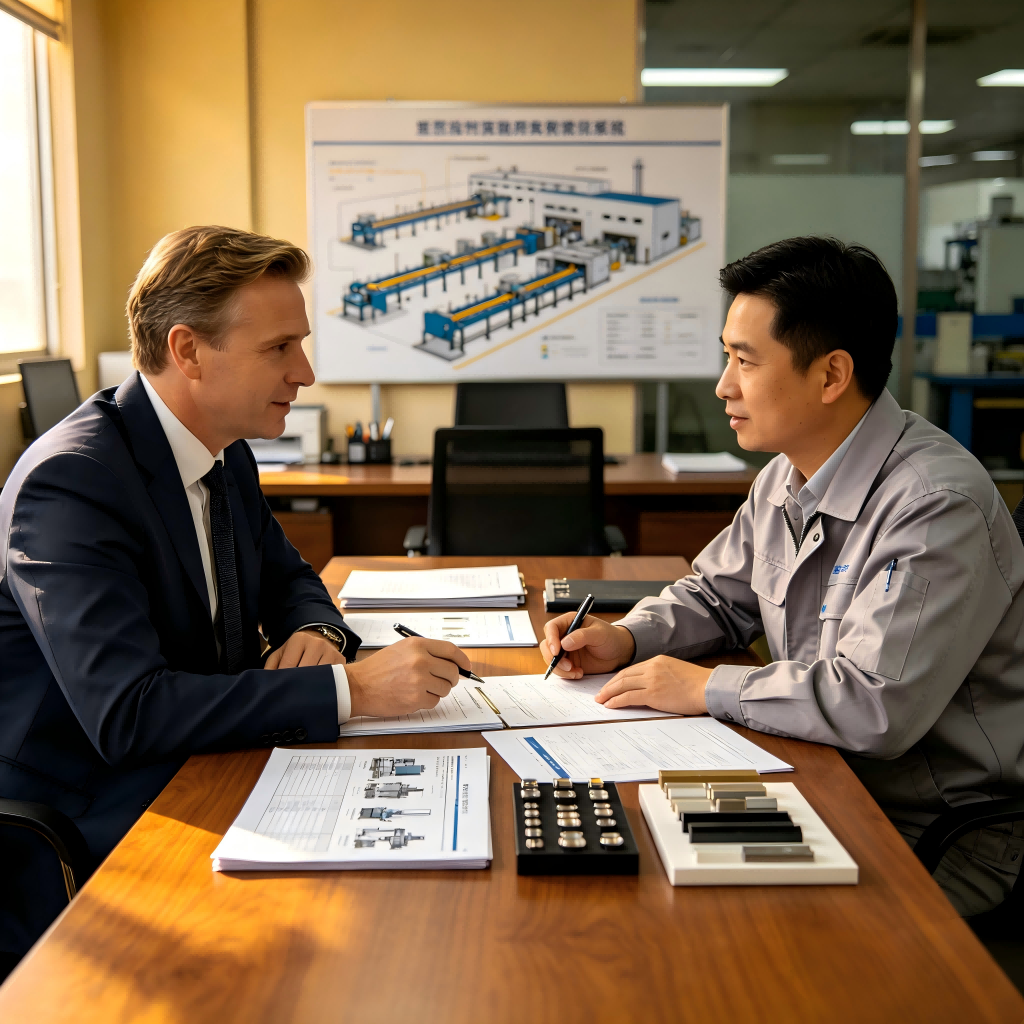
Traditional small and medium factories in China are often excellent at making products, but terrible at communication. The good news? You don't need to change their entire management system. You just need to change how you communicate with them.
Here is a practical, step-by-step method to get faster and more reliable feedback from your Chinese suppliers.
1. Simplify Your Communication Channels – Stop Using Email Only
Email is the slowest way to reach a Chinese factory manager. Many small factories check email once a day, or even less. If you rely on email for urgent questions, you will always be frustrated.
What works faster:
-
WeChat is the #1 business communication tool in China. Nearly every factory owner, salesperson, and production manager uses it actively throughout the day.
-
For document sharing and formal records, use email + WeChat together: send the official document by email, then ping them on WeChat saying “Just sent you an email about order #123 – please confirm by 4pm.”
Action step: Ask your supplier: “What is the fastest way to reach you during production? WeChat is fine for quick updates.” Then use that channel for time-sensitive feedback.
2. Turn Your Questions into Standardized Checklists
A common reason for slow feedback is that your supplier doesn’t understand exactly what information you need. Vague questions like “How is production going?” invite vague answers like “Everything is fine.”
Instead, give them a simple, repeatable format to fill out.
Example – Weekly Production Feedback Form (send every Friday):
-
Order #: ___________
-
Current production stage: (cutting / assembly / painting / packing)
-
% completed: ___________
-
Any problem? (Yes / No) – If Yes, describe in one sentence: ___________
-
Estimated shipping date (any change?): ___________
Why this works: Chinese factory staff often avoid writing long emails. But they will happily fill out a short checklist. It takes them 2 minutes. It saves you 2 days of chasing.
Action step: Create a one-page template (Excel or even a photo on your phone). Send it as a screenshot via WeChat. Ask them to fill and reply within 24 hours.
3. Set Clear Response Rules Before You Place the Order
Most slow feedback happens because there were no agreed rules from the beginning. You assume they will update you every week. They assume no news means good news.
Avoid this by negotiating communication rules before signing the PO – not after problems appear.
What to put in writing (in the order confirmation or supplier contract):
-
“Buyer will send all questions via WeChat + email. Supplier will reply within 4 business hours (China time) for urgent matters, and within 24 hours for normal inquiries.”
-
“Supplier will send a production status photo every Wednesday.”
-
“If any delay or defect is found, supplier will inform buyer within 24 hours – not after the goods are finished.”
Pro tip: Many Chinese factories will agree to these terms during negotiation. The key is to remind them once a month – not as a complaint, but as a friendly follow-up: “Per our agreement, could you send the Wednesday production photo? Thanks.”
4. Use Small, Frequent Escalation – Not Big Complaints
Foreign buyers often make one of two mistakes:
-
Mistake A: Stay silent for weeks, then explode with a long angry email. The factory feels attacked and becomes defensive.
-
Mistake B: Wait until the order is completed, then refuse to pay or cancel future orders. By then it’s too late.
Better approach: Small, calm, repeated escalations.
-
First delay in reply: Send a friendly reminder on WeChat with a smiling emoji. “Hi, any update on order #456?”
-
Second delay: “Please reply within 2 hours. I need to inform my customer.”
-
Third delay (serious): Call them directly on WeChat voice or phone. Say: “I’m concerned about our communication. Can we agree on a fixed time each day to exchange updates?”
This method works because Chinese business culture values saving face (面子). A public or aggressive complaint shuts down cooperation. A series of private, polite but firm nudges keeps the relationship intact while raising pressure.
5. Tie Feedback Quality to Future Orders – Not Just Current Orders
The most powerful leverage you have is not a single order. It’s the next order.
Factories respond to clear economic signals. If you only complain about slow feedback after an order is finished, they may apologize but nothing changes. If you connect feedback performance to order volume or pricing, they will change behavior.
How to do it:
-
After three orders, review the supplier’s feedback record. If it was consistently fast and clear: “Your communication has been great. For our next order, I will increase quantity by 20%.”
-
If feedback was slow or missing: “I want to continue working with you, but the slow updates cause problems for me. Can we improve response time to within 12 hours? If not, I may need to split future orders with another factory.”
Important: Say this not as a threat, but as a business fact. Chinese factory owners are pragmatic. They will prioritize buyers who bring steady, predictable business.
6. Build a Simple Shared Tracker (Even a Free Online Spreadsheet Works)
You don’t need to force a small factory to buy expensive ERP software. But you can invite them to use a free, shared online tracking sheet – for example, Google Sheets or Tencent Docs (腾讯文档), which works well in China.
Create one sheet per order with columns like:
| Date | Stage | Photo? | Issue? | Next check |
|---|---|---|---|---|
| Oct 15 | Cutting | Yes | No | Oct 18 |
| Oct 18 | Sewing | No | Delay on zippers | Oct 20 |
Share the link with the factory. Every time you ask for an update, you just point to the empty cell: “Please fill in Oct 18 row.”
Why this works: It removes the excuse of “I forgot what you asked.” The tracker is visual, public (within you and the factory), and easy to audit.
Conclusion: Speed Depends on Structure, Not Harshness
Slow feedback from Chinese small factories is rarely caused by bad intentions. More often, it’s caused by lack of structure – no clear channel, no fixed format, no agreed rules, no consequence for silence.
As a foreign buyer, you cannot change the factory’s internal culture overnight. But you can build a simple, repeatable feedback system around their existing habits. Use WeChat, not email. Use checklists, not open questions. Set rules before problems begin. Escalate gently but firmly. And always connect communication quality to future orders.
Try these methods on your next order. You will be surprised how much faster the same factory can respond – once they know exactly what you expect, how to deliver it, and why it matters to both of you.
How Foreign Buyers Can Solve Product Sourcing Efficiency in an Age of AI Customer Service Chaos
How Overseas Buyers Select Market-Fit Hair Dryers and Find High-Quality Suppliers? 2025 Global Procurement, Consumption Habits and 2026 Trends
Related Article